AGRO1101 Biology of Plant Food Systems
Course Organization and Scope
We will employ a stepwise problem-based learning (PBL) approach in each of the 3 unites in this class:
- Take a story from a popular media perspective that presents a complex problem.
- Take a prior knowledge inventory, define the problem and develop researchable questions.
- Work in Groups to compile and evaluate information and develop possible solutions to the problem.
- End with a discussion and reflection to re-examine the problem and proposed solutions.
Unit 1: Risks and Benefits of GMOs
We will learn about genetics, inheritance, evolution, reproduction and how this knowledge is important in genetic engineering, plant breeding and managing potential risks of GMOs.
Unit 2: Farming, Food and Health
How we eat is closely linked to how we produce food and the obesity, heart disease and lifestyle-induced diabetes epidemics. We will learn about photosynthesis, cell biology and the role foods play in human nutrition and health.
- What does this indicate about food production systems?
- How is the environment affected?
- What policies promote unhealthy food production and consumption practices?
Unit 3: The Dead Zone
The dead zone is an area of hypoxia (low oxygen) in the Gulf of Mexico where no life exists. A 30% reduction in the agricultural use of nitrogen fertilizer has been identified as essential in reviving the dead zone and heading off a crash of fisheries. We will learn about ecosystems, nutrient cycling, the hydrologic cycle, biological diversity and how they are important factors contributing to the dead zone.
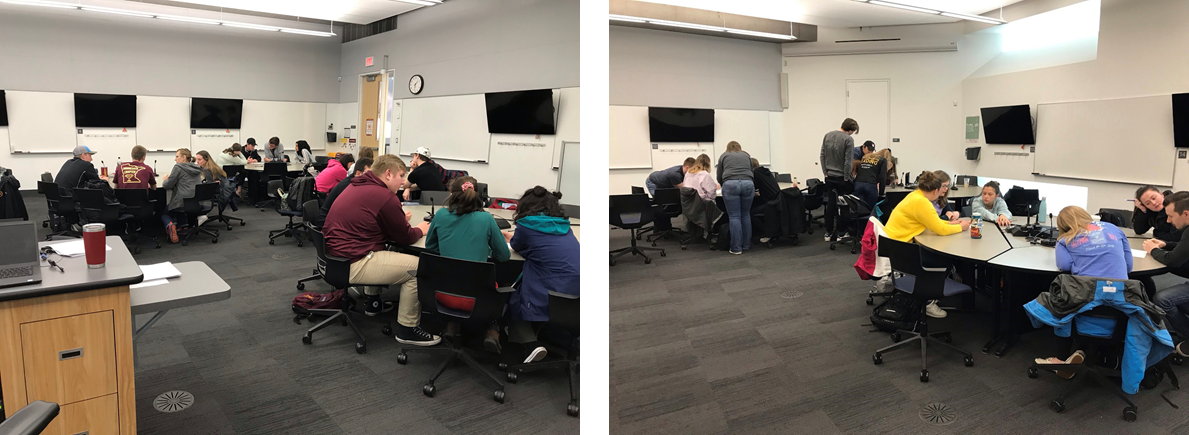
Students work in groups to find solutions to complex agricultural problems
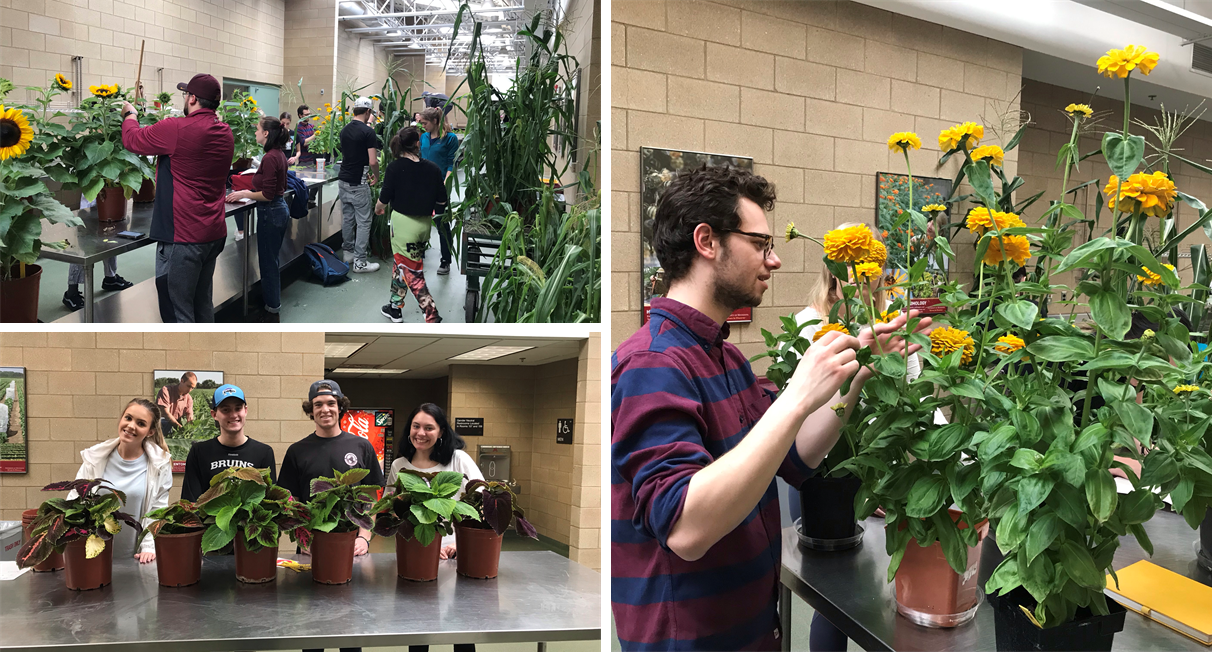
Students receive hands on learning experiences working with plants and in experimental design during their semester projects